Bethesda is one of the most physician-dense places in the country. Sitting at the doorstep of the National Institutes of Health, Walter Reed, and Suburban Hospital, and threaded with Johns Hopkins and MedStar outpatient practices, Montgomery County gives patients an unusually deep bench of doctors to choose from. The flip side is choice fatigue — and, increasingly, a second question on top of which doctor: should you be seen in person or by video? This guide walks through how appointments work in the Bethesda area today, when each format makes sense, and how to book with confidence.

Telemedicine is now a standard option, not a stopgap
What began as an emergency measure has become a permanent part of how Montgomery County practices deliver care. Most primary care offices, and many specialists, now offer telemedicine alongside their in-person schedule. A telehealth visit is a real appointment with your clinician over secure video (or sometimes phone) — not a questionnaire or a chatbot. You see your own doctor, the visit is documented in your chart, prescriptions can be sent to your pharmacy, and orders for labs or imaging can be placed for you to complete nearby.
Maryland has been comparatively forward-leaning here. The state's telehealth parity law requires insurers regulated by Maryland to cover medically appropriate telehealth services on terms comparable to in-person visits, and it recognizes audio-only visits in defined circumstances. That regulatory backing is a big reason virtual appointments stuck around in Bethesda rather than fading away.
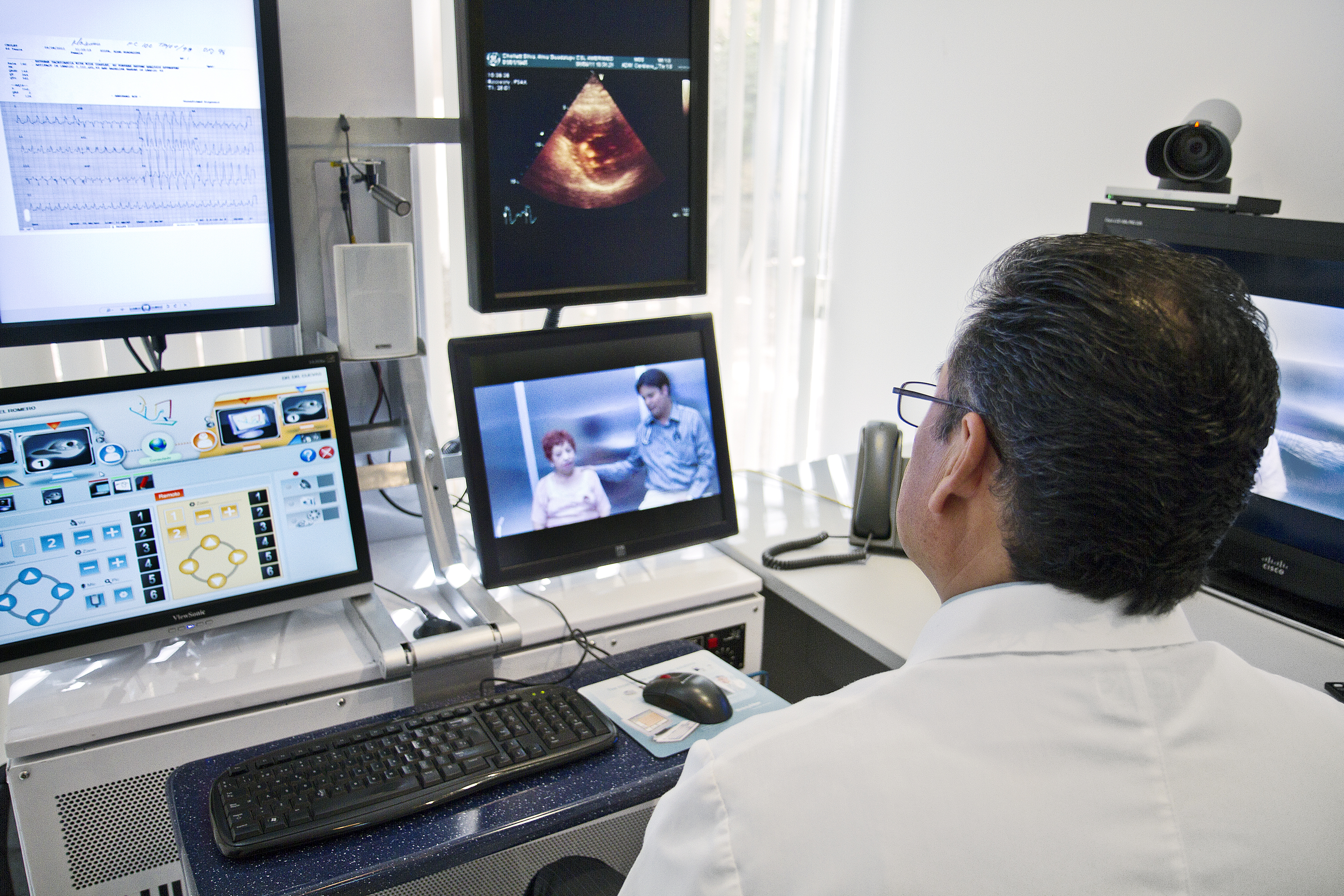
When telemedicine is the right call
Virtual visits are at their best when the value is in the conversation rather than the physical exam. In practice, that covers a lot of everyday care:
- Routine follow-ups for a stable, already-diagnosed condition — checking in on blood pressure, cholesterol, or thyroid management.
- Medication management and refills, including reviewing how a new prescription is working and adjusting the dose.
- Behavioral and mental health, where many patients find video visits more accessible and just as effective as sitting in a waiting room.
- Triage and "is this worth a visit?" questions — a quick video check can tell you whether a rash, a lingering cough, or a minor injury needs to be seen in person.
- Reviewing results from recent labs or imaging without taking time off work to drive to the office.
If you are managing a chronic condition, telehealth pairs especially well with the kind of longitudinal relationship a good primary care doctor provides. Our guide to choosing a primary care doctor in Bethesda is a good companion read, and if you are weighing a membership practice, see whether concierge medicine in Bethesda is worth it — those practices often lead on same-day virtual access.
When you should be seen in person
Telemedicine cannot replace a stethoscope, a blood draw, or a pair of experienced hands. Book an in-person appointment when the visit calls for any of the following:
- A first visit to establish care, where a baseline physical exam and vitals matter.
- A hands-on examination — listening to your heart and lungs, palpating the abdomen, examining a joint or a suspicious skin lesion.
- On-site tests and procedures: an EKG, in-office blood draws, vaccinations, biopsies, joint injections, or a colonoscopy.
- Anything acute or potentially serious. Chest pain, shortness of breath, a possible fracture, or sudden neurological symptoms need in-person — and often urgent — evaluation.
Specialty care frequently begins in the office for exactly these reasons. A cardiology work-up typically needs an exam and an EKG, so start with our guide on when to see a cardiologist in Montgomery County. Endocrine conditions like diabetes and thyroid disease usually open with labs before settling into a rhythm that can include video check-ins — see finding a diabetes and thyroid specialist in Bethesda. And preventive milestones such as colon cancer screening, which now starts at age 45 in Maryland, are inherently in-person procedures. Back or neck pain that radiates or worsens is another in-office evaluation — our guide on when back and neck pain warrants a neurosurgeon covers the red flags. For families, the pediatrician selection guide explains which well-child visits and vaccines have to happen face to face.

Licensing: where you are during the visit matters
Bethesda sits at the corner of three jurisdictions — Maryland, the District of Columbia, and Virginia — and many residents cross those lines daily for work. For telemedicine, the rule of thumb is that your doctor must be licensed in the state where you are physically located during the appointment. A Maryland-licensed physician can see you over video while you are in Bethesda or Rockville, but a virtual visit while you are sitting at a desk in DC or Arlington may require a license there too. If you travel, tell the office where you will be so they can confirm they can legally treat you, or offer to reschedule.
How to book in the Bethesda area
Whether you want an exam room or a video link, a few steps make booking smoother:
- Confirm the practice offers your preferred format. Many do both, but availability differs by clinician and visit type.
- Check insurance and cost up front. Ask whether the visit is covered, what your copay is, and — for telehealth — whether the platform or any audio-only option affects coverage.
- Ask which platform they use. Reputable practices use HIPAA-compliant video, not a consumer app; you may need to install something or create a patient-portal login beforehand.
- Verify new-patient status and licensing. Confirm the doctor is accepting new patients and is licensed where you will be.
Not sure who to book with yet? Browse our curated, fact-checked lists by primary care doctors or by doctors in Bethesda to build a shortlist, then call the office to ask how they handle in-person and virtual appointments. You can also explore every topic in our patient guides library.
The bottom line
In-person and telemedicine are not competitors; they are two doors into the same care. The best approach in Bethesda is to match the format to the task — virtual for follow-ups, medication management, mental health, and triage; in person for exams, procedures, and anything new or acute — and to keep one consistent doctor who knows your history across both. Choose the clinician first. The right format tends to follow naturally from the reason you are being seen.